Welcome to my magazine about functional textiles in the outdoor and sport sector! Here you’ll find in‑depth insights, innovations, and market‑relevant developments, from new materials and smart constructions to future‑driven technologies that are shaping the industry.
I regularly cover trade shows, product launches, and collections, then distill what really matters for your brand or business. Everything is presented in a clear, practical way, with a focus on design, development, and decision‑making in sport and outdoor apparel.
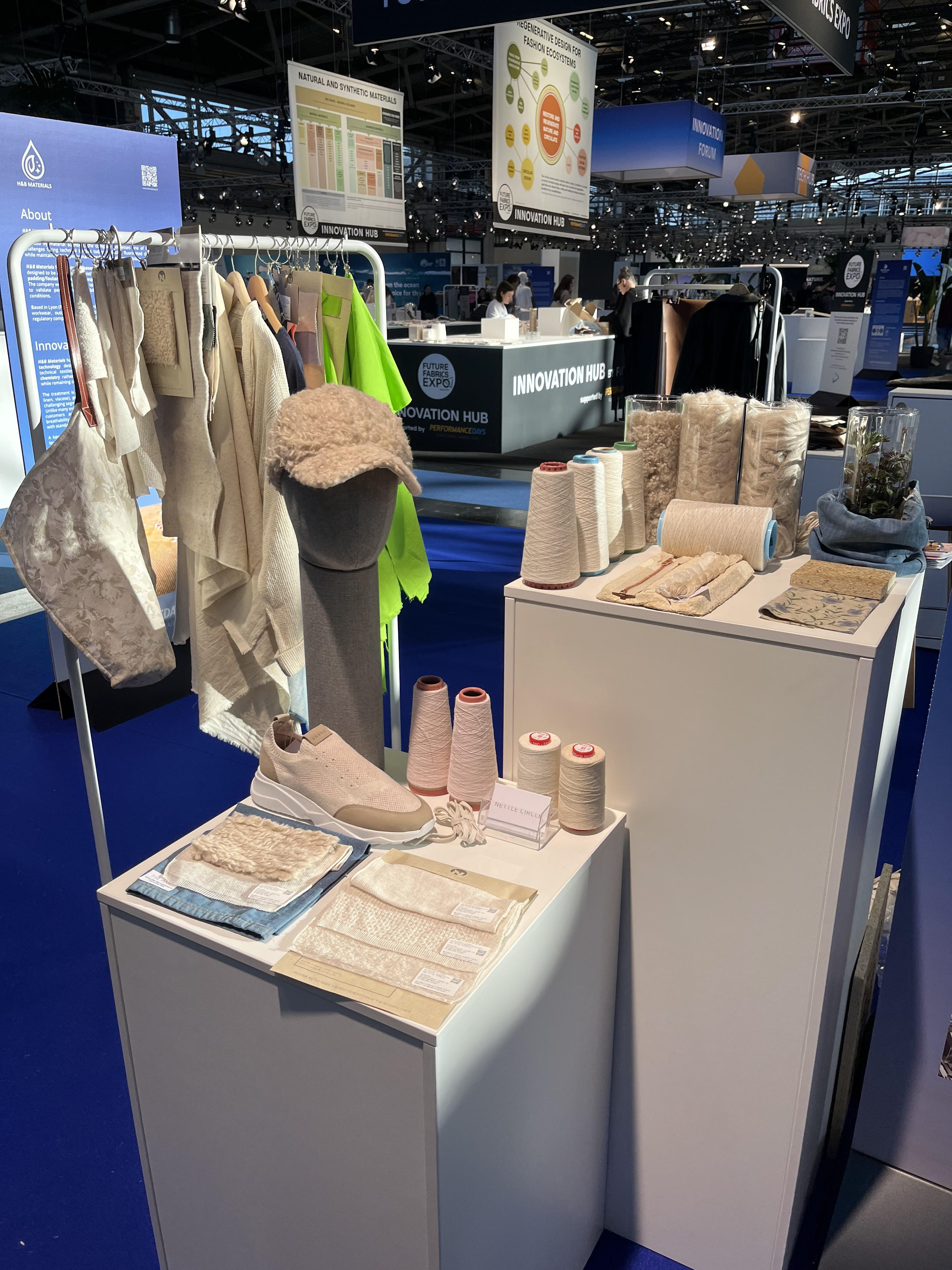
Natural Fibers in Sportswear
Why performance is no longer defined by synthetics alone
For decades, sportswear has been dominated by synthetic fibers. Polyester, polyamide, and elastane became the industry standard because they offer stretch, durability, light weight, and efficient moisture management. But as the market evolves, natural fibers are gaining new relevance, not as a nostalgic alternative, but as a serious innovation field within performance apparel.
Today’s consumers are looking for more than technical performance alone. They are paying closer attention to comfort, sustainability, skin feel, and the overall wearing experience. This shift is driving renewed interest in fibers such as merino wool, Tencel, cotton blends, hemp, and linen, especially when engineered for active and outdoor use.
A new view on performance
Natural fibers bring a different quality to sportswear. Instead of focusing only on speed, compression, or ultra-light construction, they add softness, breathability, temperature regulation, odor control, and a more natural touch on the skin. This makes them especially relevant for activities where comfort and versatility matter as much as pure function.
Merino wool is one of the strongest examples. It regulates body temperature across changing conditions, absorbs moisture vapor, and offers natural odor resistance, making it ideal for base layers, hiking apparel, running essentials, and travel wear. Tencel, while man-made from natural raw material, is also increasingly used in performance products because of its softness, moisture management, and smooth surface.
Why brands are paying attention
The growing importance of natural fibers is not only a material story — it is also a market story. Brands are under pressure to rethink their product strategies in response to environmental concerns, customer expectations, and new ideas of premium performance.
Natural fibers support several trends at once:
- A more conscious approach to material selection.
- Greater demand for comfort-led performance.
- Interest in multifunctional products that move between sport, travel, and everyday life.
- A premium brand language built around authenticity, tactility, and material honesty.
In this context, natural fibers are becoming a strong tool for differentiation. They help brands create products that feel elevated, modern, and relevant in a market that is no longer driven by technical claims alone.
The design challenge
Despite their potential, natural fibers are not a simple replacement for synthetics. They come with limitations that designers and developers must understand. Moisture absorption, drying time, abrasion resistance, shape retention, and weight can all behave differently depending on the fiber, yarn construction, knit structure, and finishing.
That is why success with natural fibers depends on smart product engineering. In many cases, the most interesting solutions come from blends, hybrid constructions, or zoned material concepts. A fabric does not need to be 100% natural to benefit from the strengths of natural components. The real innovation often lies in combining the best properties of different fiber types in one coherent performance concept.
From niche to relevant category
What was once seen as a niche for eco-minded consumers is becoming more commercially relevant. Natural-fiber-based sportswear is now appearing in performance running, outdoor layering, yoga, recovery wear, and premium lifestyle-athletic categories. This reflects a broader change in how performance is defined.
Performance today includes not only measurable function, but also sensory quality, durability in real life, environmental awareness, and emotional appeal. Consumers want products that perform well, feel good, and align with their values. Natural fibers answer this demand in a way that feels both innovative and grounded.
What to watch next
The most exciting development is not the return of natural fibers alone, but the way they are being reinterpreted. New spinning technologies, material blends, knit developments, and finishing processes are expanding what natural fibers can do in activewear.
For brands, this creates opportunity. For designers and developers, it opens a broader material language. And for the market as a whole, it signals a more nuanced future, one where performance is no longer shaped by synthetics alone, but by the intelligent use of materials with purpose.
Natural fibers are not replacing technical textiles. But they are redefining what technical can mean.
I’ve created a Material × Product Match Guide with all fabrics, applications, and smart combinations at a glance.
Get it free here is the link:
klick here 👇
Get it free here is the link:
klick here 👇
( picture from performance days march 26)